What Every ProMaster Owner Should Know Before Hitting the Road
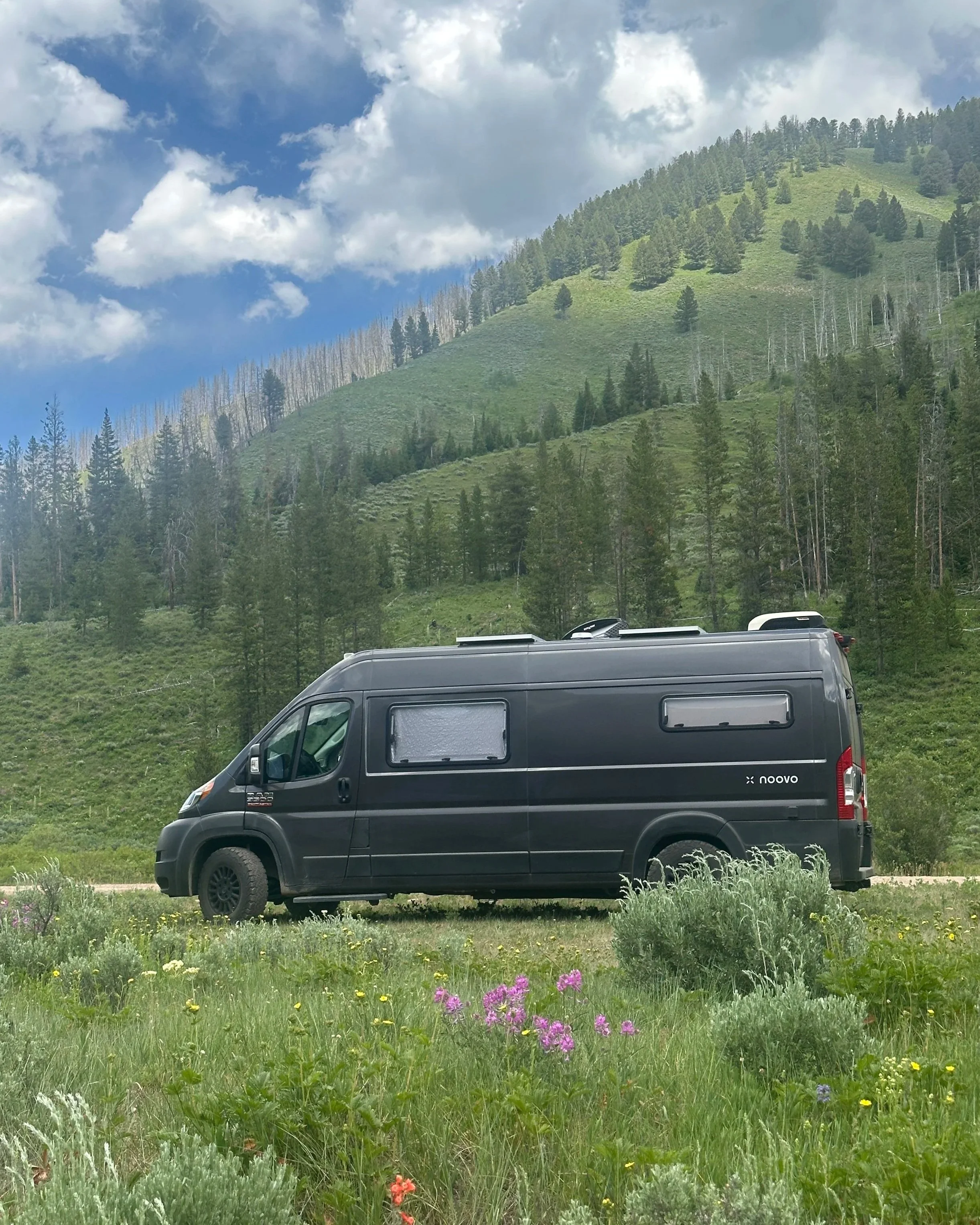
A Van That's Built to Be Driven
When we bought our first ProMaster, we wanted to take good care of it—just like most new van owners do. We read recommendations, listened to advice from experienced travelers, and tried to do everything "right." The more we learned, the more we realized there was also a lot of conflicting information out there. It wasn't always easy to know what really mattered and what didn't.
If you've owned your van for any length of time, you've probably asked yourself some of the same questions we have:
Am I carrying too much weight?
Is that engine noise normal?
Am I working the van too hard on mountain passes?
Those questions are exactly why we invited ProMaster expert Kip Amore to join one of our Adventure Together Confidence Calls. We wanted to learn right alongside our community and hear from someone who has spent years working with these vans every day.
One of the first things Kip shared immediately put things into perspective. His highest-mileage ProMaster has logged an incredible 916,000 miles, and another has traveled more than 826,000 miles with no rust. Hearing numbers like that gives you a completely different perspective on what these vans are capable of.
They're not fragile. They're commercial vehicles designed to work hard, carry heavy loads, and spend thousands upon thousands of miles on the road.
That doesn't mean maintenance isn't important… it absolutely is. But it does remind us that these vans are built for much more than we sometimes give them credit for.
When the conversation turned to weight, it made me listen. Every time we pack, we find ourselves asking, "Is that extra weight going to matter?" I want to bring weights. Marcy doesn't. After hearing Kip explain just how overbuilt the ProMaster really is, I was assured my dumbbells will come with us after all.
It's funny how one piece of information can change the way you think about something so simple.
Learning to Drive the Mountains

Learning to Drive the Mountains
Mountain driving was one of the topics our community wanted to hear about most, and for good reason. It doesn't take long behind the wheel of a camper van before you find yourself climbing a long grade or winding your way down a steep mountain pass. The first few times can feel unfamiliar, especially when the engine sounds different than it does on flat roads.
Kip's advice was practical and reassuring.
When you're climbing a mountain, don't worry about being the fastest vehicle on the road. Think about the semi-trucks you see making the same climb every day. They aren't racing to the top. They're letting the vehicle do the work. Using a lower gear when needed and taking your time is easier on the van than trying to maintain highway speeds all the way up.
The bigger lesson for many of us came on the way back down.
It's natural to want to keep your foot on the brake, but Kip explained why engine braking is the better choice on long descents. By manually selecting a lower gear, the engine helps control your speed, reducing the heat that builds up in your brakes. That heat—not normal use—is what can eventually lead to brake fade.
One question that generated a lot of discussion was engine RPM. More than one person had watched the tachometer climb to 4,000 or even 5,000 RPM while driving downhill and wondered if something was wrong.
Kip assured us:
Nothing is wrong.
The ProMaster is doing exactly what it was designed to do. Those higher RPMs are part of the engine braking system and are helping protect your brakes while keeping the van under control.
There was another comment Kip made that I wrote down because it applies to more than just mountain driving.
"If it makes you feel better, do it." -Kip Amore
He was talking about Tow/Haul mode. While the ProMaster's computer already manages many driving situations automatically, using Tow/Haul mode won't hurt the van. If it helps you feel more comfortable while driving through the mountains, then use it.
We liked that advice because it recognizes something we've learned over and over through our own van life journey. There are plenty of things you'll do simply because they help you feel more prepared. As you gain experience, some of those habits will change. Others will stick around because they work for you. Tow/Haul is one that works for us. We may not need it every time, but it helps us feel more comfortable on long mountain grades, and that's reason enough. Try it yourself!
The Maintenance That Matters (And What Doesn't)
One of the biggest myths about owning a camper van is that you need to constantly be doing something to keep it running well. Many of us have heard advice from friends, mechanics, online forums, and Facebook groups, and before long it's easy to feel like there's another service waiting around the corner.
Kip helped simplify that.
His advice wasn't to ignore maintenance. It was to focus on the maintenance that actually makes a difference.
Oil changes remain one of the most important things you can do for your ProMaster. Kip recommends oil changes: every 5,000 miles, although he said stretching it to 7,000 miles isn't a concern. If you don't drive many miles each year, it's still a good idea to change it based on time rather than mileage.
For owners of the 2014–2021 ProMasters with the 6-speed transmission, he also recommends a transmission service every 50,000 miles. He was careful to point out that this means a pan drop—not a transmission flush. The newer 9-speed transmissions use lifetime fluid and require much less attention.
Beyond that, many maintenance items can go much longer than most of us have been led to believe. Spark plugs, air filters, cabin air filters, coolant, and even brake fluid all came up during the conversation. Kip's experience has shown that these items generally don't need frequent replacement under normal use. His overall message was refreshing: don't feel pressured into replacing parts simply because someone tells you it's time.
That led to another takeaway we appreciated.
One thing that surprised many of us was hearing Kip say there really isn't such a thing as a traditional "tune-up" on today's ProMaster. Modern vehicles are constantly monitoring and adjusting themselves. It's a very different world than many of us grew up with, and understanding that can save both money and unnecessary worry.
We also appreciated Kip's advice about where to have routine maintenance done. Instead of automatically heading to the dealership, he suggested looking for reputable quick-service oil change shops or commercial truck service centers that can accommodate taller camper vans. Many dealerships either can't fit a built-out van on their lifts or may recommend services that aren't actually necessary. Wherever you choose to go, it's worth calling ahead to make sure they can service a converted camper van.
More than anything, this part of the conversation reminded us that taking good care of your van doesn't have to be complicated. Staying on top of the basics goes a long way, allowing you to spend less time worrying about maintenance and more time enjoying the places your van can take you.
Which Upgrades Are Actually Worth It?
If you've spent any time in van life groups, you've probably seen endless conversations about suspension upgrades, lift kits, sway bars, shocks, tires, and every accessory imaginable. It can leave you wondering if your van needs thousands of dollars in upgrades before it's ready for the road.
For most of us, the ProMaster is already a very capable vehicle. Instead of recommending a long list of modifications, he focused on just a few upgrades that provide the biggest return.
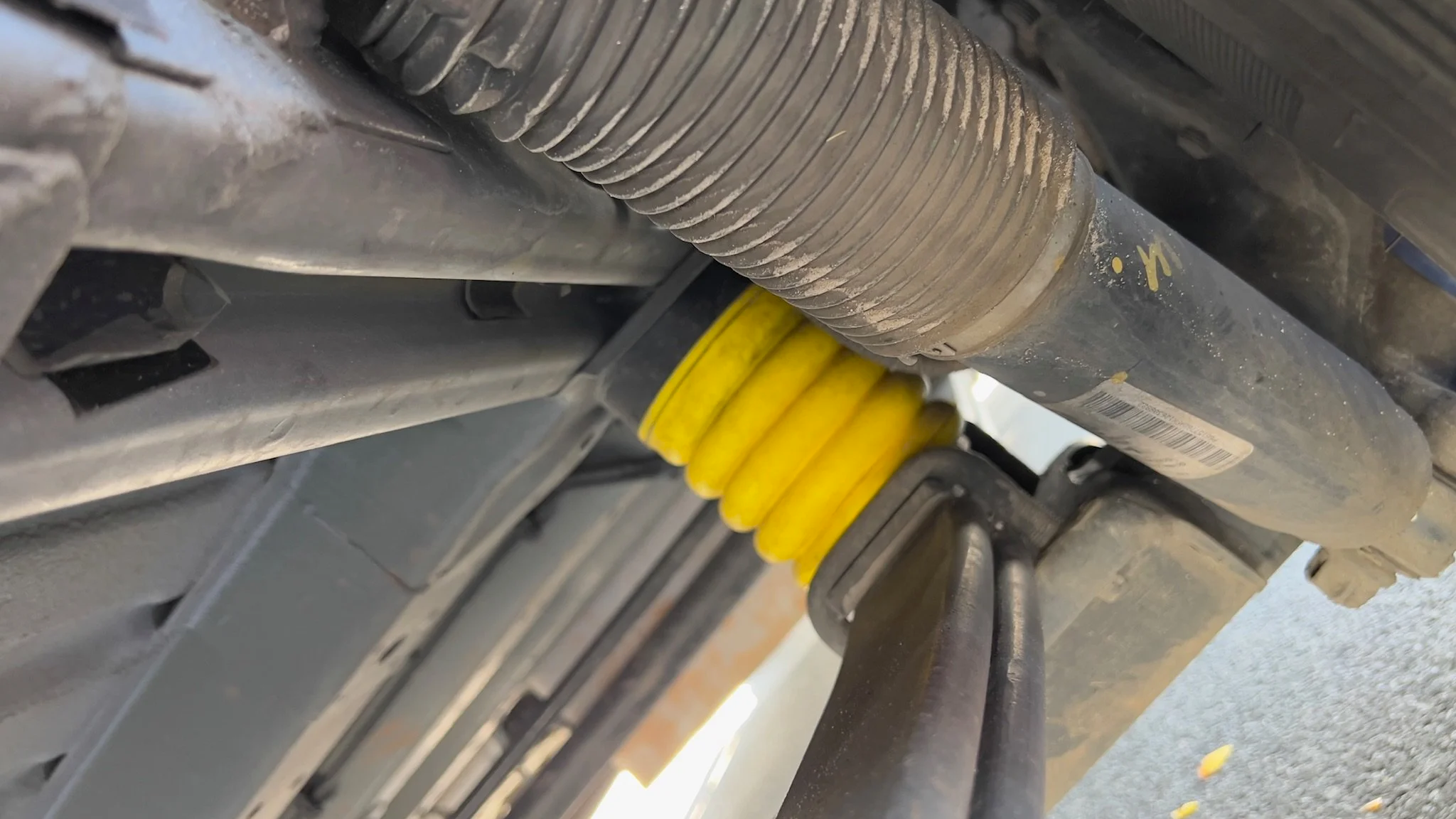
The first was Sumo Springs. Several women on the call shared that adding Sumo Springs made their vans feel more stable in crosswinds and when large trucks passed by. Kip agreed they're one of the few suspension upgrades that are worth considering for most camper vans. We personally found a huge difference in the stability of the vehicle after we added Sumo Springs. In fact, we've been so happy with them that our van builder now includes them on every build.
Kip also recommends Bilstein shocks when it's time to replace the factory shocks. He explained they're less expensive than the factory replacements while also improving ride quality.
What didn't make his recommendation list was just as interesting.
Lift kits, for example, may look appealing, but Kip explained they can create additional stress on components like the axles. Unless you have a very specific need, he doesn't recommend lifting a ProMaster.
One question that came up several times was wind. If you've ever gripped the steering wheel a little tighter as a semi-truck passed or felt a strong gust push against the side of your van, you're certainly not alone.
While upgrades like Sumo Springs can help, both Kip and Marcy agreed that the best solution is often the simplest one: slow down. A tall camper van is always going to catch more wind than a passenger car, and adjusting your speed is often the safest response.
The conversation also touched on headlights, and this was one upgrade Kip enthusiastically recommended. The factory halogen headlights on older ProMasters leave a lot to be desired. He suggested replacing them with LED headlights, calling it an inexpensive upgrade that makes a noticeable difference and is safer when driving at night.
We appreciated the fact that Kip never made us feel like we needed to spend money just because someone on the internet said we should. His recommendations were practical, based on years of experience, and focused on improvements that actually make life with a ProMaster better.
One Small Tool That Can Save You a Lot of Worry
One recommendation from Kip wasn't a suspension upgrade or a fancy accessory. It was a simple OBD code reader.
If you've ever had a check engine light come on while traveling, you know the feeling. Your mind immediately starts wondering if it's something serious or if you should cancel your plans and head straight to a repair shop.
An OBD reader plugs into the diagnostic port under your dashboard and communicates with an app on your phone. Within minutes, it can tell you why the check engine light came on and provide information about what the van's computer is seeing.
That doesn't mean you'll be able to fix every problem yourself, but it does mean you can make a more informed decision about your next step. Is it something that needs immediate attention? Can it wait until you reach your next destination? Having that information can take a lot of the uncertainty out of traveling.
Kip recommended carrying an inexpensive Bluetooth OBD reader in your van, noting that it's one of the most useful tools you can own. For around $15, it's a small investment that can provide a lot of peace of mind when you're on the road.
A Little Preparation Goes a Long Way
A Little Preparation Goes a Long Way
Some of the most valuable advice centered around simple things that make life on the road easier. It wasn't just about major repairs or expensive upgrades.
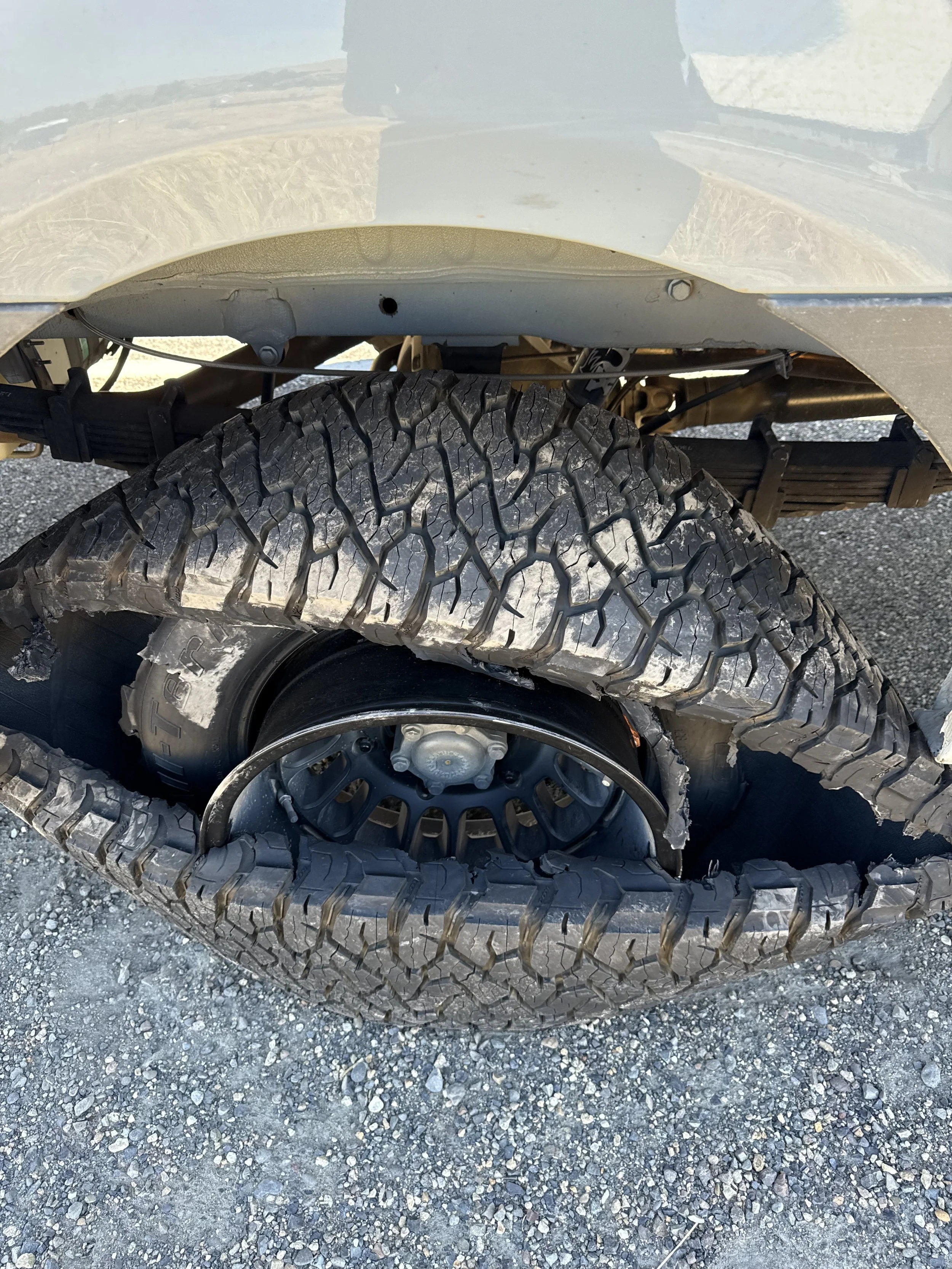
For example, Kip recommended carrying a proper tire iron instead of relying on the factory lug wrench if you ever need to change a tire. He also encouraged us to learn where the proper jacking points are located before we actually need them. Neither of these are things you want to figure out for the first time on the side of the road.
None of these suggestions are complicated, but together they reinforce an important idea: a little preparation goes a long way.
A Few Common Issues to Be Aware Of
Every vehicle has a few quirks, and the ProMaster is no exception. During the Confidence Call, Kip talked about several common issues ProMaster owners should be aware of, along with simple ways to address them.
Water Around the Engine? Check the Cowl.
If you own a 2014–2021 ProMaster, it's worth checking the area where the windshield cowl meets the glass. Kip explained that poor sealing in this area is a common source of water intrusion into the engine compartment.
His recommendation was simple: seal the gap with Gorilla Tape or an adhesive rubber strip and check the cowl drain every few months to make sure leaves and debris haven't clogged it. It's a quick preventative step that many owners can do themselves to help avoid future problems.
The "Starfish" Warning Light
Owners of newer ProMasters may already be familiar with what's commonly referred to as the "starfish" warning light—the forward collision warning indicator.
According to Kip, this is a known issue on many 2022 and newer ProMasters, and there isn't a permanent fix yet. Dealer software updates haven't consistently solved the problem, and Kip plans to continue researching it through his industry contacts. You can reset the warning, but in our experience, it typically returns after some time. The important takeaway is that if you see this warning light, you're not alone. It's a known issue that many owners have experienced.
Backup Cameras, Gremlins and Alignment Issues
Two other topics that generated a lot of discussion were backup cameras and alignment.
Kip explained that backup camera problems, including flickering screens or upside-down images, aren't uncommon. In some cases, replacing the factory head unit solves the issue, while in others an aftermarket backup camera has proven to be a reliable alternative.
In our experience when we have had occasional electric "gremlins", we've found that disconnecting the negative battery terminal for a few minutes has often reset the system. It's a good reminder to know where your battery is (under the front floorboard) and how to disconnect it if needed.
Alignment was another concern, especially for owners of newer vans. If your ProMaster wanders, feels difficult to steer, or doesn't drive as it should, Kip recommends having it evaluated by an independent alignment shop. Their findings can be helpful if you're working with a dealership on a warranty claim.
Every vehicle has a personality, and every model has a few things you'll eventually learn about. Knowing some of the common ProMaster quirks ahead of time doesn't mean they'll happen to you. It simply means that if something happens, instead of wondering what in the world is going on, you'll have a better idea of where to start.
A Few More Questions From Our Community
As the Confidence Call wrapped up, the questions started coming faster. We smiled because they were the same kinds of questions we've asked ourselves over the years. They're the questions that come from actually using your van—planning trips, driving through different terrain, and wondering if you're doing things the right way.
What Fuel Should I Use?
Fuel was another topic that came up during the Q&A. Kip recommends using 87 octane in the ProMaster and noted that he planned to do more research regarding fuel recommendations at higher elevations.
What About Tire Pressure?
This was another helpful reminder. The sticker inside your driver's door lists the tire pressure recommended by Ram for your specific van. Kip encouraged owners to start there rather than relying on the maximum pressure printed on the tire itself.
Can I Tow With a ProMaster?
The answer depends on your particular build and how much weight you're already carrying. Kip reminded us that every pound added to the van affects your available towing capacity, so it's important to understand your vehicle's ratings before hooking up a trailer.
What Our Community Took Away

At the end of every Confidence Call, we like to ask one simple question:
"What's one takeaway you're leaving with today?"
We always enjoy reading the responses because they tell the story better than we ever could.
"His reassurance about the mechanical stuff was really helpful."
"I finally understand why my engine revs so high going downhill."
"I appreciated his reminder to enjoy the van instead of worrying about it."
Different comments. Same feeling.
Some women realized they had been worrying about things that weren't nearly as big a deal as they thought.
Others shared that they finally understood how to drive mountain passes more confidently or felt reassured knowing their vans were built to handle the adventures ahead.
Several women commented that they no longer felt the need to "baby" their ProMaster. Instead, they left with a greater appreciation for how durable these vans really are. Modern ProMasters are constantly monitoring themselves and helping protect the driver. Understanding that seemed to take a lot of pressure off many of us.
“I think one of my biggest takeaways is that my van is smarter than I think.”
Others said they appreciated learning what maintenance actually matters, what upgrades are worth considering, and what simple tools they should carry with them on the road.
One comment we loved was when a member shared that she now felt much more confident about purchasing a ProMaster.
Marcy and I really enjoyed learning from Kip and sharing the knowledge. We hope you came away from this article with a few practical tips, a little more understanding of your ProMaster, and the confidence to keep asking questions. That's how we've learned, and it's how we'll keep learning. We look forward to sharing more of those lessons with you along the way.
Resources Mentioned During the Confidence Call
Bilstein Shocks
LED headlight upgrade
Gorilla Tape or adhesive rubber strip for sealing the cowl
Ram owner's manual for your specific model year
We'll include links to these resources below so you can easily find them.
Confidence Challenge
Before your next trip, choose one thing that will help you know your ProMaster a little better.
Maybe that’s:
Locating your battery
Checking your tire pressure
Ordering an OBD code reader
Practicing engine braking and downshifting on a mountain pass
Trying Tow-Haul for the first time
Finally reading a section of your owner’s manual you’ve been meaning to get to
You don't have to learn everything at once.
Just keep learning.
Join the Conversation
What was your biggest takeaway from Kip's Confidence Call and this article?
Was there something you learned that changed the way you think about your ProMaster?
Share it in the comments. There's a good chance someone else can learn from your experience, too.
If you're not already part of the Adventure Together: A Woman’s Vanlife Collective Facebook community, we'd love to have you. It's where we continue these conversations, share practical tips, host Confidence Calls, meetups, and encourage one another along the journey.
Adventure On,
Amy & Marcy